Mitch Warner was eighteen, working his first job in a nursing home, tasked with interacting with every patient daily. For weeks, he did exactly that—including one-sided conversations with Linda, who never spoke back. Then he discovered a torn communication board in her closet. A nurse explained: Linda can't speak. Despite doing everything on his job description, Mitch had never actually done his job. He'd never seen Linda as a person with needs that mattered like his own.
This webinar dismantles conventional accountability—holding people accountable through oversight and reviews—and replaces it with developing people who hold themselves accountable for their impact. The problem is the self-deception gap: employees rate their organizations at 4.6 on mindset but rate themselves fifty percent higher. Everyone sees the problems; no one sees their contribution.
Through the collusion model, Mitch shows how we provoke the very behaviors we complain about, making accountability impossible until we see our own role. The solution isn't better performance management (95% of employees are dissatisfied with theirs). It's reframing every job around impact—what my work enables others to accomplish—and having employees own their accountability through structured self-assessment.
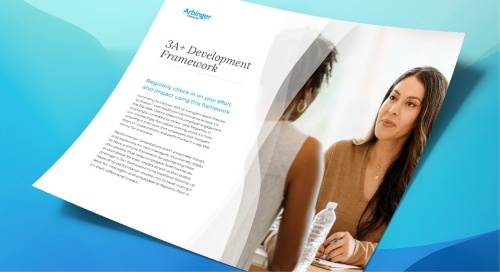
Warren Higgins, a mortgage banking executive who was incredibly capable, worked harder than anyone, and created massive problems ("no one wanted to work with Warren"), becomes the case study. His CEO's words changed everything: "It's not enough to be right." The 3A+ framework—measuring Capability, Impact, and Effort together—gave Warren visibility into what he'd never seen. He transformed from someone people feared into "part of the glue that holds the company together."
Learning Objectives
- Diagnose collusions that undermine accountability by mapping how our behaviors invite the very responses we complain about, recognizing that accountability cannot exist until we see our own contribution to organizational problems
- Reframe job performance around impact by understanding that every task exists to help someone else accomplish their objectives, and that capability and effort without positive impact creates organizational damage regardless of results
- Implement the 3A+ framework to transform performance conversations from manager-driven evaluations into employee-owned accountability sessions that measure capability, impact, and effort together